
Document Authentication
Authentication vs. Apostille vs. Notarization: Which Do You Need?
These three terms appear on every Hungarian document request — and confuse nearly everyone. Here is a clear breakdown of what each one means and when to use which.
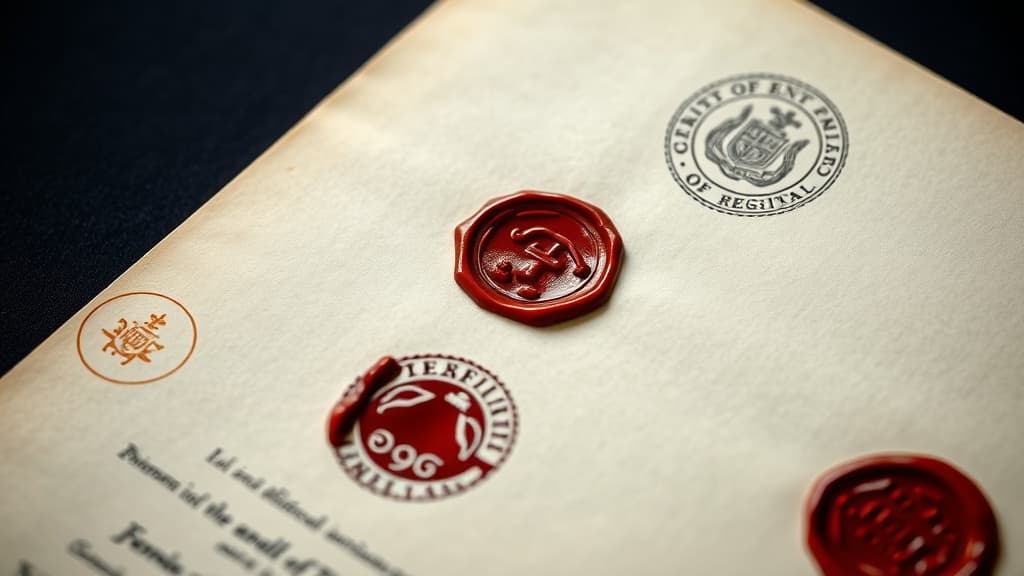
When a Hungarian authority asks you to submit a "certified" document, the instruction rarely specifies which certification method they want. That vagueness is the source of most document rejections — and most of the phone calls we receive. Hungarian document authentication vs apostille is a distinction that American applicants encounter without warning, often at the worst possible moment.
There are three distinct processes in play. Understanding which one applies to your situation before you start saves weeks of re-submission and, in many cases, missed legal deadlines.
1. Notarization
Notarization is the most basic level of document certification. An American notary public witnesses your signature, confirms your identity, and affixes their seal. This is appropriate for domestic US transactions — it does not carry independent legal weight in Hungary on its own.
When is notarization enough? When a Hungarian institution specifically asks for a notarized translation of a US document — combined with an apostille placed on the notarization itself. The notary stamps the translation; the apostille stamps the notary. Hungary sees both.
What this consulate can do with notarization:
This office can witness signatures and declarations in a Hungarian consular context — which carries greater weight than a standard American notarization for documents destined for Hungarian legal proceedings. If you need a sworn statement, a declaration, or a signature certified for use in Hungary, book an appointment here rather than with a standard US notary.
2. Apostille
An apostille is a standardized certification issued by a US state authority — typically the Secretary of State — that verifies the authenticity of a notary's seal or a public official's signature. Hungary is a member of the Hague Apostille Convention, which means apostilles issued by any US state are automatically accepted in Hungary without additional authentication.
When do you need an apostille? When you are submitting a US-issued document to a Hungarian authority. Common examples include: birth certificates, marriage certificates, death certificates, divorce decrees, educational diplomas, criminal background checks, and court orders. The apostille goes on the US document itself, or on a certified translation of it.
How to get an apostille in New England:
- Massachusetts: Office of the Secretary of the Commonwealth, Apostille and Authentication Unit, Boston — turnaround typically 2–3 weeks by mail
- New Hampshire: Secretary of State, Division of Vital Records Administration, Concord — typically 1–2 weeks
- Maine: Secretary of State, Division of Corporations, Augusta — typically 2–4 weeks
- Vermont: Secretary of State, Montpelier — typically 1–3 weeks
- Rhode Island: Secretary of State, Providence — typically 2–3 weeks
Most states now offer expedited apostille processing for an additional fee. If you have a Hungarian deadline, factor in 4–6 weeks of lead time from the moment you request the apostille — more if translation is also required.
3. Consular Authentication (Legalization)
Consular authentication — also called consular legalization — is performed by this office or the Consulate General in New York. It certifies that a document is valid for use in Hungary, that the official or notary whose credentials appear on it are legitimate, and that the document complies with Hungarian requirements.
When do you need consular authentication? It is required when a Hungarian authority specifically requests it — typically for estate proceedings, certain court matters, and situations where the apostille path is not accepted. It is also used when documents from non-Hague countries need to be certified for use in Hungary, or when a Hungarian institution asks for a consular stamp specifically.
The most common and costly mistake: obtaining an apostille when the Hungarian authority wanted a consular authentication — or vice versa. The document arrives, gets rejected, and you lose weeks. Always confirm with the requesting institution exactly what they require before you start.
Decision Framework: Which Certification Path Is Right for You
- Hungarian registry, court, or institution asks for a certified copy of a US-issued document → get an apostille from your state Secretary of State, then have the document translated
- Hungarian authority asks for a "consular stamp," "consular authentication," or "consular legalization" → book an appointment with this office
- You need a signature witnessed or a declaration made for Hungarian legal purposes → this office can notarize in a consular context (book an appointment)
- You received a form from Hungary that you cannot read → contact this office before doing anything — a misread instruction wastes months
- You are unsure which path applies → describe what the Hungarian authority sent you using our contact form; we will tell you exactly what to do
A Note on Translation
Neither an apostille nor a consular authentication is a translation. Hungarian authorities require documents in Hungarian. If your US document is in English, you will need a certified Hungarian translation in addition to whatever certification is required. This office can refer you to certified translators with experience in Hungarian consular requirements.
Ready to move forward? Book a Monday appointment or use the contact form to describe your document and the institution requesting it. We will confirm the correct path in plain language before you spend a dollar on processing fees.
Still Have Questions?
Have a question after reading? We answer every inquiry before you make the trip.